Billed Before a Note: The Peculiar Power of the Punny Ukulele Band Name
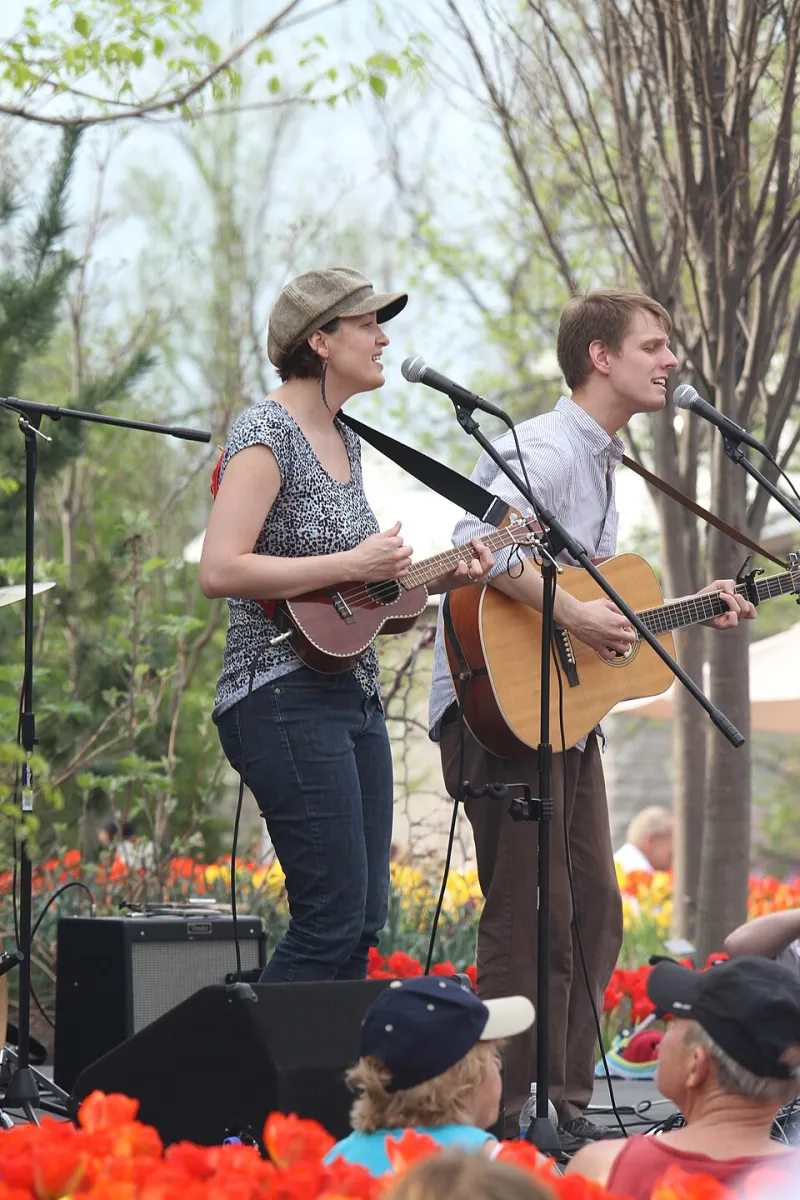
Photo: Mark Dumont, CC BY 2.0, via Wikimedia Commons
There is a precise moment in the life of every ukulele band when the name stops being a private joke and becomes a public promise. It arrives as a photocopied poster in a pub window, an event listing in shouty capitals, or one line in the parish magazine that reads "live music from eight". By then it is far too late for second thoughts, and the audience has already made up its mind about roughly what sort of evening this is going to be.
That is the curious power of a name like Ukes of Hazzard. Before a strap has been adjusted or a rogue capo located, half the room is smiling and the other half is humming a theme tune they can only half remember. No amplifier has been switched on. No setlist has been agreed. The marketing, such as it is, has already been done by six letters and one shameless pun.
The Contract You Sign With a Name
A band name is not a label; it is a contract with the punter. Turn up as The Something Quartet and the room expects restraint, waistcoats and possibly a recital. Turn up as Strum und Drang and the room expects cheerful nonsense, a slightly chaotic raffle and at least one song about a bus.
Neither promise is better than the other. The mistake is making a promise you cannot keep. A comedy name attached to a po-faced set of jazz standards is a small betrayal, and audiences are unforgiving about that sort of thing. They forgive a missed chord instantly. They sulk for weeks about false advertising.
This is why the ukulele world's fondness for puns is not mere silliness. It is honest labelling. The instrument is small, the volume is limited and the repertoire is generally unbothered by dignity. A name that admits all of this up front saves everybody an awkward twenty minutes of misunderstanding.
A Field Guide to the Naming Tribes
Spend an afternoon in any ukulele Facebook group and you will meet the same five tribes, each with its own dialect.
The film and telly homage. Names that borrow a beloved title and swap one word for something four-stringed. This is Ukes of Hazzard's own territory, and it works because the reference does half the work before the band has done any. The risk is that a dozen other groups had the same thought in the same fortnight. It is a crowded corner of the market.
The double-pun stack. Names carrying two jokes, at least one of which does not quite land. Plucking Marvellous is a classic of the genre. So is anything involving the word strum. These names are memorable in the way a good cracker joke is memorable: nobody claims it is clever, everybody repeats it.
The locals-only geography gag. The Bexhill Strummers, Ukes of the Parish, anything with a river, a bypass or a rec in it. Wonderful in the village hall, mildly baffling fifteen miles down the road.
The threateningly cheerful. Names that sound like a warning from a mildly annoyed committee. Absolute Plinkers. Strictly No Encore. There is a lot of warmth in a name that pretends to be stern.
The sincere one. Occasionally a band goes for something genuinely lovely with no joke in it at all. These are the groups who arrive in matching waistcoats and play beautifully, and everyone secretly respects them while wishing they had thought of a pun.
The Shouted Introduction Test
Here is a piece of advice worth more than any branding consultant's invoice: say your proposed name out loud, at volume, over the sound of a Friday-night bar. Then imagine a compere with a dying microphone working out how to pronounce it.
If it needs spelling out, it will be misspelt on the poster. If it needs explaining, it will not be explained. If it contains a word that only works when written down, half your audience will never get the joke and the other half will assume they misheard.
Three Rules Before You Laminate
- One pun, fully committed. Two puns is a shrug in name form. Pick the joke and see it through.
- Check it is not already taken. There are several hundred ukulele groups in the UK. Somebody in Devon has almost certainly had your idea, and they had it in 2019.
- Say the initials out loud. A surprising number of otherwise charming names become unfortunate when shortened for a setlist sheet.
What the Name Actually Buys You
The practical benefits are real, if unglamorous. A good name gets remembered when the booking secretary is choosing between three groups for the summer fete. It gets passed along in the right tone of voice: "you want the funny ones, the ones called Ukes of Hazzard." It tells a wedding couple, a care home activities coordinator and a beer festival organiser, all at once, exactly what they are getting.
It also, quietly, does something for the band itself. A group that has agreed on a daft name has usually agreed on a daft setlist, a daft dress code and a shared suspicion of taking things too seriously. That cohesion shows up on stage, where it looks suspiciously like fun.
Village-Hall Legends and the Long Game
Some names become institutions. There are groups in this country whose names are better known locally than most of their members' surnames, and who have been booked for the same Christmas do for a decade on the strength of it. That is not an accident of talent. It is consistency of promise, kept year after year with a slightly wobbly chord and a great deal of goodwill.
Which is the real lesson here. A punny name is not a substitute for playing well. It is a handshake, offered before you have even plugged anything in, and it only means something if the set that follows is every bit as cheerful as the poster suggested.
So if you are currently arguing about what to call yourselves, argue well. Test it in a noisy room, check it against the internet, then commit. The name goes on the poster long before the first chord, and it is the only part of the gig that everybody in the room is guaranteed to remember.